Fire and emergency wardens are the peaceful foundation of a risk-free workplace. When alarm systems ring or a pipe ruptures or an associate collapses in the stairwell, people want to the high-visibility hats and calm voices. Compliance obtains you to a baseline, however genuine readiness comes from training that is relevant to your site, practiced under stress, and freshened frequently. I have run lots of emptyings and post-incident evaluations throughout offices, stockrooms, health centers, and skyscraper property structures. The patterns correspond: the sites that train well relocate quickly and deliberately, the ones that treat training as a tick-the-box exercise delay at the stairwell doors.
This overview lays out what "good" appears like. It maps the usual lawful and proficiency structures, explains the PUA systems (PUAFER005 and PUAFER006) that sit behind most Australian chief fire warden hat colour fire warden training, decodes the warden hat system, and shows how to build a lean, certified training plan that really functions when points go sideways.
The function, removed back to essentials
Emergency wardens keep people safe during an abnormal occasion while shielding company continuity. That is the job in one sentence. Everything else sustains it. In practice, a warden has to identify the event type, interact plainly, move individuals away from injury, coordinate with the Emergency situation Control Organisation (ECO), and hand over to first responders. A chief warden guides that effort, establishes the tempo, and makes trade-offs when two top priorities compete.
Across markets, the core scenarios recur: fire alarms and smoke from tools, medical emergency situations on stairs or in plant spaces, power failings that trap people in lifts, chemical leakages from cleaners or lab stocks, flooding access at filling docks, hostility in customer-facing locations, and false alarms that attract complacency. If your warden training concentrates just on fires, you are leaving risk on the table.
The dimension and format of the site matter. A single-level workplace with 120 personnel is a different suggestion from a 14,000 square meter warehouse with racking to the ceiling and forklifts at rate. The ECO structure ought to fit your site, not the various other method around.
The frameworks that shape training
Most Australian workplaces aim to AS 3745 Preparation for emergencies in facilities for framework and terms. It is not legislation itself, yet regulators often treat it as the yardstick. It calls for an Emergency Preparation Committee (EPC), an Emergency Plan, and an Emergency situation Control Organisation populated by wardens and a chief warden. It expects training, exercises, and records.
Competency-based training for wardens then connections to 2 national systems:
- PUAFER005 Operate as component of an emergency situation control organisation PUAFER006 Lead an emergency control organisation
These systems rest within the Public Safety And Security Educating Plan and are delivered by Registered Training Organisations. Many suppliers label them merely as a fire warden course or chief fire warden course, but the content extends more than fire. When you see puafer005 course or puafer006 course on a brochure, you are looking at the official underpinning for warden training and chief warden training.
Other items round out the image. Possible discharge drills a minimum of yearly, regional inductions for brand-new wardens, first strike firefighting familiarisation if you bring extinguishers, and liaison with the regional fire service, particularly for complicated sites. If you being in a building with a monitored fire sign panel, recognize the call-out procedure and chief fire warden duties what occurs when the brigade transforms up.
What PUAFER005 and PUAFER006 actually cover
PUAFER005 Operate as part of an emergency situation control organisation focuses on the wardens that execute the plan. The usual elements include determining emergency situation kinds, using interaction systems, sweeping areas, aiding individuals with disability, and implementing discharge or shelter-in-place choices. In every legitimate puafer005 operate as part of an emergency control organisation program, you must practice radio discipline, use of neighborhood caution tools, and structured reporting to the chief warden. In my sessions, I still see people ice up on the very first radio call. One 90-second technique round solves that.
PUAFER006 Lead an emergency control organisation is the primary layer. It covers developing and keeping the ECO, leading a reaction, dynamically assessing danger, handling contrasting information, and communicating with exterior solutions. Excellent puafer006 lead an emergency control organisation training throws curveballs: a blocked stairwell, a missing warden, a malfunctioning alarm system zone. A chief warden that has actually not practiced those moments has a tendency to await perfect information. Real cases hardly ever permit that luxury.
Both units emphasize teamwork and communication. That is calculated due to the fact that individuals panic in silence. If you are budgeting, timetable PUAFER005 for all wardens that use red or yellow hats, and PUAFER006 for principal and replacement wardens, often in white hats. Some websites run a combined emergency warden course over half a day for general wardens and a fuller chief warden course for leaders. The labels vary by supplier, yet the expertises map back to the units.
How lots of wardens do you need?
There is no magic ratio, but there are restraints that assist. Aim for protection of each floor or area with redundancy for leave and sick days. In a regular five-level workplace with 2 fire stairways and a central lift lobby, I like two wardens per flooring minimum, plus a marshal for every stairwell if population mores than 60 per flooring. If you rely on a single warden and they take place to be on the college run, your ECO collapses.
Distribution and making websites require wardens who comprehend the format, especially areas with harmful products or restricted egress. Plant spaces and roofing system spaces require a plan that does not anticipate wardens to move hot, loud areas loaded with journey hazards. Think about your warden map as a mesh, not a line of defense. Overlap is good.
If you share a structure with other lessees, coordinate with the base structure chief warden. Your warden matter and training cycle should harmonize with building-wide emptying drills. I have actually seen tenants hold an interior drill two weeks after a building-wide one. Team tune out, and you lose credibility.
Fire warden hats and identification
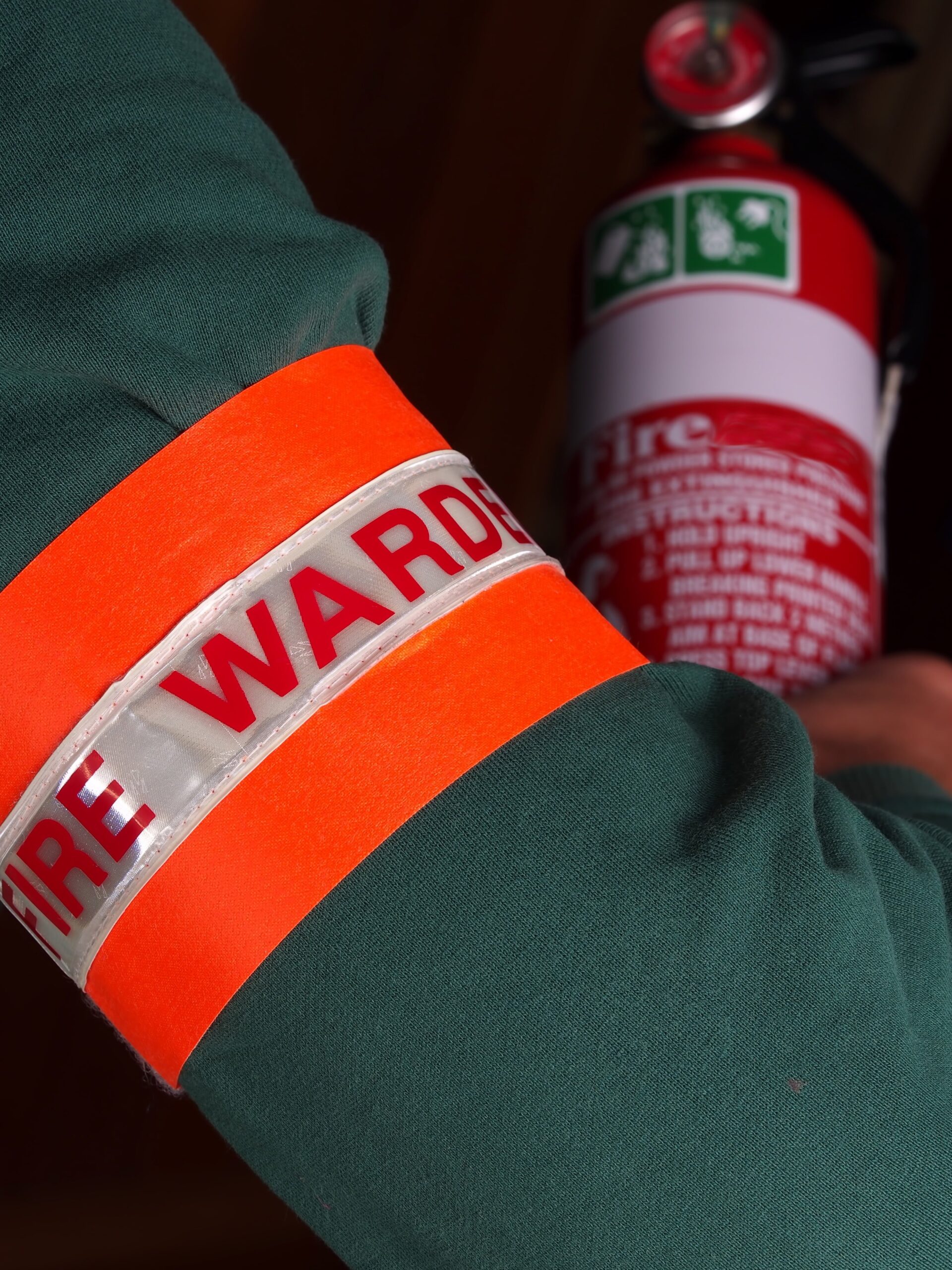
High presence matters in disorder. Many Australian websites still utilize shade coding to match functions. Red or yellow hats for wardens, white for the chief warden, and typically green for first aid. The specific color mix varies between properties and providers, however the convention that a chief warden hat is white is near global. Ask the base structure supervisor if you are unsure.
The inquiry what colour helmet does a chief warden wear still pops up throughout inductions because not everybody has actually been through a drill. Chief warden hat colour conventions exist for clearness: staff demand to find the person in charge promptly. You can likewise use high-vis vests if hard hats are not called for. In construction and some industrial setups, integrate the warden identifiers with compulsory PPE. A sticker label package or helmet band solves it. Do not develop a system that conflicts with safety guidelines just to meet a warden standard.
Timeframes and revitalize cycles that actually stick
Legally, numerous organisations choose yearly training and yearly evacuation exercises to align with AS 3745 guidance and common insurance firm expectations. In method, the retention contour says for more constant touchpoints. A simple rhythm works well:
- Annual official training for wardens: puafer005 for wardens and puafer006 for principals, or a durable interior refresher if you have currently completed the units. One full-evacuation drill annually, preferably unannounced within a home window, collaborated with the property owner and fire panel company. One desktop drill per half-year for chiefs and replacements, 30 to 45 minutes. Go through a scenario, test choice points, analyze communications. Short, site-based alignment for brand-new wardens within thirty day of appointment. Show them stairway doors, havens, EWIS panels, spill sets, defibrillators, and break-glass alarms. Do not count on slides for this.
This cadence builds muscular tissue memory without damaging efficiency. The best drills I have seen last under 18 minutes door to door in mid-sized workplaces, with wardens back at their desks catching knowings while the memory is fresh.
What excellent fire warden training looks like
A solid fire warden course uses your structure, not a generic format. Anticipate the instructor to ask for floor plans, passenger lots, and the Emergency Strategy in advance. They ought to include known problems. Perhaps lift vestibule doors often tend to shut slowly in your building, or one stairway pressurisation fan sometimes trips. These details transform just how you train.
Content must cover alarms, compartmentation, extinguisher option and constraints, discharge paths, setting up locations, and procedures for people with movement, sensory, or cognitive impairments. It must also include radio practice, basic circumstance play, and a demonstration at the fire indication panel if accessible. When a service provider just talks with slides for three hours, your wardens will not remember what matters under stress. An excellent warden course is energetic, not passive.
For chief fire warden training, request more than titles and flowcharts. You want functional decision-making: when to leave on a sharp tone, exactly how to mark havens, what to do when a warden reports smoke yet no alarm, just how to take care of a simultaneous clinical emergency and a fire journey on a separate flooring, and how to communicate with firies when they show up in the driveway wanting a sitrep. The puafer006 content sustains this, but its real value is in the practice.
The hats show up, the radios lug you
Comms make or damage an ECO. If you run with portable radios, maintain them charged, classified by zone, and evaluated month-to-month. Use short, organized expressions. Stay clear of talk or concept during an occurrence. I teach a simple pattern: that you are, where you are, what you see, what you need. Example: "Degree 8 Warden, north stairway, light smoke in passage, starting move east to west." That sentence gets the chief warden three choices ahead.

Phone trees are a bad alternative. Telephone call do not scale under stress, they obstruct situational awareness, and they climax if you require a timeline later on. If you must utilize phones, established a bridge with push-to-talk or an app with team voice networks. Better yet, fund a handful of durable UHF radios and set a charging routine. The price is low compared to the risk.
Extinguishers: when to utilize them, when to walk away
A lot of fire warden training still presses first assault firefighting without nuance. Extinguishers are tools, not badges of courage. Right here is the policy I utilize: if the fire is smaller sized than a rubbish bin, you have a clear egress behind you, and you have the ideal extinguisher, take one controlled effort. If it does not knock down right away, you retreat and close doors. Never make use of extinguishers in smoke-charged corridors or on unidentified chemical reactions. Powder is unpleasant and can blind you in a plant area; carbon dioxide starves oxygen however does nothing in the wind; water and electrical power mix severely. Educate the mnemonic for selection, however more vital, teach judgment.
For unsafe goods websites, go beyond generalist content. Run a targeted session with your security expert or a hazardous goods trainer. It is unreasonable to anticipate wardens to make intricate chemical choices from a laminated graph they have never utilized under pressure.
Visitors, contractors, and after-hours realities
A flooring filled with normal personnel acts in different ways from a site with turning site visitors and service providers. Your fire warden requirements in the workplace need to show that. Reception team need a basic handover to the nearest warden during a reaction. Contractors ought to be inducted on the alarm system tones and the assembly location prior to they get a device. If you run changes, your ECO coverage should exist at 3 am, not simply at lunchtime.
After-hours is where many plans fail. I as soon as assessed a website where the only chief emergency warden functioned 7 to 3, and the server area alarm systems usually stumbled at 5:30 pm. The fix was simple: appoint and educate replacements across changes, and offer safety the authority to work as acting chief warden until an educated person arrives.
Special factor to consider for persons with disability
Real addition requires preparation, not promises. Establish Personal Emergency Situation Evacuation Plans for staff who need assistance. Train wardens on strategies that secure dignity and security. Discharge chairs are just helpful if people technique on the stairs they will certainly utilize. If your structure has fire separated stairs with re-entry limitations, identify re-entry degrees and keep them opened throughout an alarm system as per structure administration protocols. Listening to loopholes, aesthetic strobes, and tactile maps issue for some groups. Do not think one-size fits all.
Evacuation setting up areas that work in real life
Your assembly area should be much enough from polishing and dropping debris, yet close sufficient for headcounts and well-being. This is very easy to write and remarkably difficult to perform in jampacked CBD areas. Stroll the boundary. Look up for above dangers. Think about traffic, color, and weather. If your setting up is throughout a hectic roadway, assign marshals for the crossings. If you share a public eco-friendly area with 3 other towers, designate second and tertiary locations and create the telephone call in the plan: "If Park A is filled, shift to Carpark B along the eastern fence."
Headcounts must fast and dirty, not forensic. Wardens validate they swept their zones and record any individual left at sanctuary factors or last-seen locations. Principal wardens focus on threats, missing persons, and communicating with emergency situation solutions, not ideal roll calls.
Record-keeping without the documents swamp
You require evidence of proficiency and proof of practice. Keep training documents for every warden by device or training course, with dates and suppliers. Maintain drill documents with day, circumstance, times, problems, and rehabilitative actions. Store them where a person can locate them without you. Auditors worth clear, short, and constant records. Longer is not better. A solitary theme functions throughout years. If you change service providers, keep control of your data.
Choosing an emergency warden course provider
All carriers are not equal. Fancy brochures matter much less than site-specific preparation and teacher trustworthiness. Ask who will certainly deliver your session, not just who possesses the company. Give them your layout and ask how they will adapt content. Verify that the puafer005 and puafer006 competencies will be met if you need formal declarations of achievement. If you only need a refresher, established expectations: short, active, building-based, with a real-time walk.
Price distinctions typically reflect traveling, time on website, and the proportion of participants to fitness instructor. Be careful of service providers that pack 30 wardens into a three-hour port. The throughput is attractive for spending plans, however the method time goes down to near no. You want your people on their feet, talking on radios, and walking courses, not caught in chairs.
Building a basic, certified program
Here is a lean version that keeps you inside typical assumptions and ready for examination or incident.
- Appoint an EPC with a chair that has the authority to allocate spending plan and time. Meet twice a year for 60 mins. Evaluation occurrences, drills, and training currency. Map your ECO to the structure. Wardens per floor or zone, chief warden, deputy chief, and communications officer if needed. Maintain a roster with photos. Freshen it quarterly. Run PUAFER005 for brand-new wardens and PUAFER006 for chiefs. Freshen annually with a 90-minute building-based session if official re-assessment is not required. Schedule one building-wide emptying drill annually, plus one desktop exercise for senior ECO. Record both. Maintain equipment: radios, vests, hats, and get hold of folders. Someone possesses the charging regular and checks monthly.
That suffices to pass audits in most offices and, extra notably, to develop capability. Add targeted modules for your dangers: spill action for labs, hostility management for retail front-of-house, or smoke control in intricate a/c environments.
Common pitfalls and just how to avoid them
Complacency after a false alarm sneaks in quick. On the early morning after a nuisance journey, many team overlook the following alarm. Wardens need the self-confidence to move individuals no matter. Connect after every alarm system, also if you did not evacuate. Describe the choice briefly. People discover your patterns.
Elevators during an emptying are another repeat risk. If your structure has firemen lift service and experienced team, you may utilize it under rigorous problems to help persons with mobility disability. The majority of websites ought to not. Train wardens to keep lift entrance halls clear and to close lift doors when practical to dissuade use.
Door control matters greater than most individuals think. Fire doors save lives by keeping back smoke and flame. Propping them open with bins or wedges defeats the design. Include this in your regular safety strolls and call it out throughout training. A warden that recognizes the structure format can quit a tiny problem from ending up being a huge one by simply closing a door.
Radio babble overload is foreseeable and avoidable. Teach self-control. If a warden reports a known danger, other wardens must avoid re-reporting the very same monitoring unless they have brand-new info. The chief warden should acknowledge and direct, not narrate.
Finally, overreliance on one person, usually a veteran centers supervisor, produces delicacy. Turn chief warden obligations among trained deputies every quarter. It constructs depth and exposes gaps before a crisis exposes them.

The inquiries you will certainly be asked
Expect team to ask about fire warden hat colour, setting up factors, whether they can get individual things, and how long drills will take. Answer clearly. The chief warden responsibilities consist of clear, concise communication and a readiness to repeat on your own. Give a two-page team guide during onboarding. When individuals understand what to anticipate, they comply faster.
Tenants often ask what colour helmet does a chief warden wear because they want to know who to comply with. If you make use of vests rather than helmets, maintain the exact same shade coding logic. Red or yellow for wardens, white for chief. Make it consistent across shifts and websites where feasible, and tag equipment with names and roles.
When the plan fulfills reality
Two fast pictures from recent years. In a CBD tower, a toaster oven triggered a local smoke alarm on Degree 22. The alert tone seemed on that flooring only. The wardens was reluctant, uncertain whether to await the evacuation tone. Training had concentrated on the full structure emptying regimen, not the partial one. The hold-up kept people in the smoke longer than necessary. Later, we ran a 30-minute refresher on the distinction between tones and how to make a floor-only discharge choice, and we exercised the radio manuscript. That small repair transformed habits the next time.
In a logistics site, a forklift battery fire began behind a charging bank after hours. 2 wardens on the late shift had completed PUAFER005, and the chief warden had done PUAFER006. They isolated power, pulled the alarm system, brushed up the bays, maintained individuals out of the smoke course, and moved the head count to an additional setting up because the wind changed. When the brigade arrived, the principal had a succinct sitrep: beginning, reductions attempts, hazards, all individuals accounted for. The firefighters commented that the handover saved them 5 mins. Under smoke, 5 minutes is a lot.
Final ideas that obtain you moving
Emergency warden training is not extravagant, yet it is one of the cleanest danger controls you can purchase. The criteria provide you a framework. The puafer005 and puafer006 proficiencies provide you a quantifiable baseline. Your site, your hazards, and your individuals provide you the details. Keep the program simple, practice the tough moments, and purchase clear comms.
Whether you are standing a new emergency warden course for a growing team or rejuvenating a mature program that has drifted, start with 3 actions: verify your ECO lineup and insurance coverage, timetable a building-based warden training session that maps to PUAFER devices, and lock the date for your annual drill. Compliance adheres to when ability leads.
Take your leadership in workplace safety to the next level with the nationally recognised PUAFER006 Chief Warden Training. Designed for Chief and Deputy Fire Wardens, this face-to-face 3-hour course teaches critical skills: coordinating evacuations, leading a warden team, making decisions under pressure, and liaising with emergency services. Course cost is generally AUD $130 per person for public sessions. Held in multiple locations including Brisbane CBD (Queen Street), North Hobart, Adelaide, and more across Queensland such as Gold Coast, Sunshine Coast, Toowoomba, Cairns, Ipswich, Logan, Chermside, etc.
If you’ve been appointed as a Chief or Deputy Fire Warden at your workplace, the PUAFER006 – Chief Warden Training is designed to give you the confidence and skills to take charge when it matters most. This nationally accredited course goes beyond the basics of emergency response, teaching you how to coordinate evacuations, lead and direct your warden team, make quick decisions under pressure, and effectively communicate with emergency services. Delivered face-to-face in just 3 hours, the training is practical, engaging, and focused on real-world workplace scenarios. You’ll walk away knowing exactly what to do when an emergency unfolds—and you’ll receive your certificate the same day you complete the course. With training available across Australia—including Brisbane CBD (Queen Street), North Hobart, Adelaide, Gold Coast, Sunshine Coast, Toowoomba, Cairns, Ipswich, Logan, Chermside and more—it’s easy to find a location near you. At just $130 per person, this course is an affordable way to make sure your workplace is compliant with safety requirements while also giving you peace of mind that you can step up and lead when it counts.